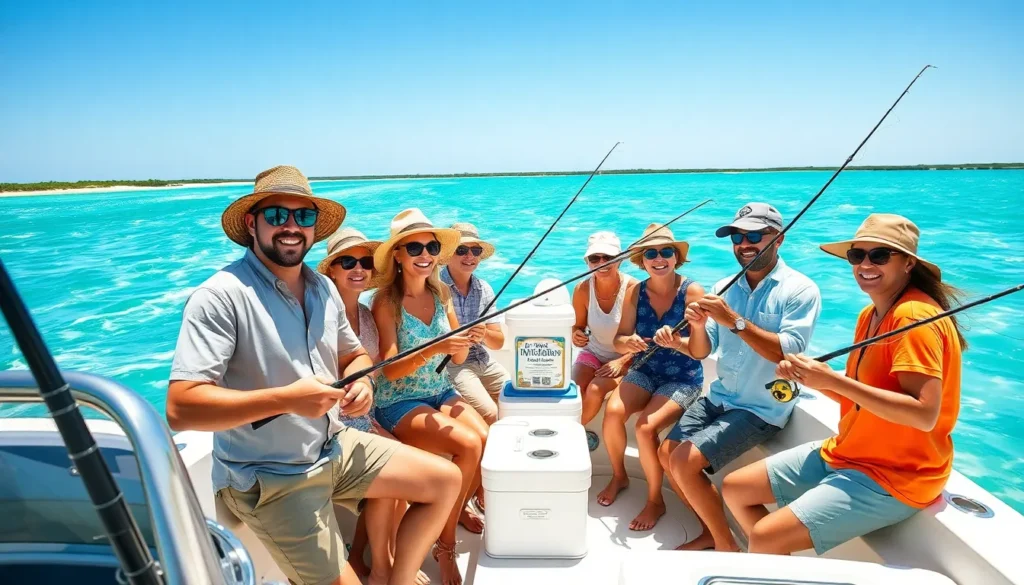
Picture this: a family on the Gulf Coast, reeling in fish and laughter, surrounded by the salty ocean breeze. This is more than just a scene: it’s the story of fishing families who embody a vibrant legacy. From teaching the next generation to facing modern challenges, these families are the backbone of community and tradition. So, grab your fishing pole and let’s jump into the depths of Gulf fishing culture, where every cast is infused with history, and every wave carries a lesson.
Gulf fishing families have woven together a rich tapestry of history, culture, and sustainability. For generations, these families have nurtured traditions that not only bond their kin but also connect them to the sea itself.
Cultural Significance and Traditions
Fishing is often seen as a leisurely activity, but for Gulf families, it’s a way of life steeped in cultural significance. Annual fishing festivals celebrate the harvest and bring communities together, serving as a reminder of the importance of this marine bounty. The stories told around campfires include tales of the storms they’ve weathered and the exceptional catches that brought home pride and food. These events preserve a heritage that’s as vibrant as the Gulf waters themselves.
Generational Knowledge and Skills
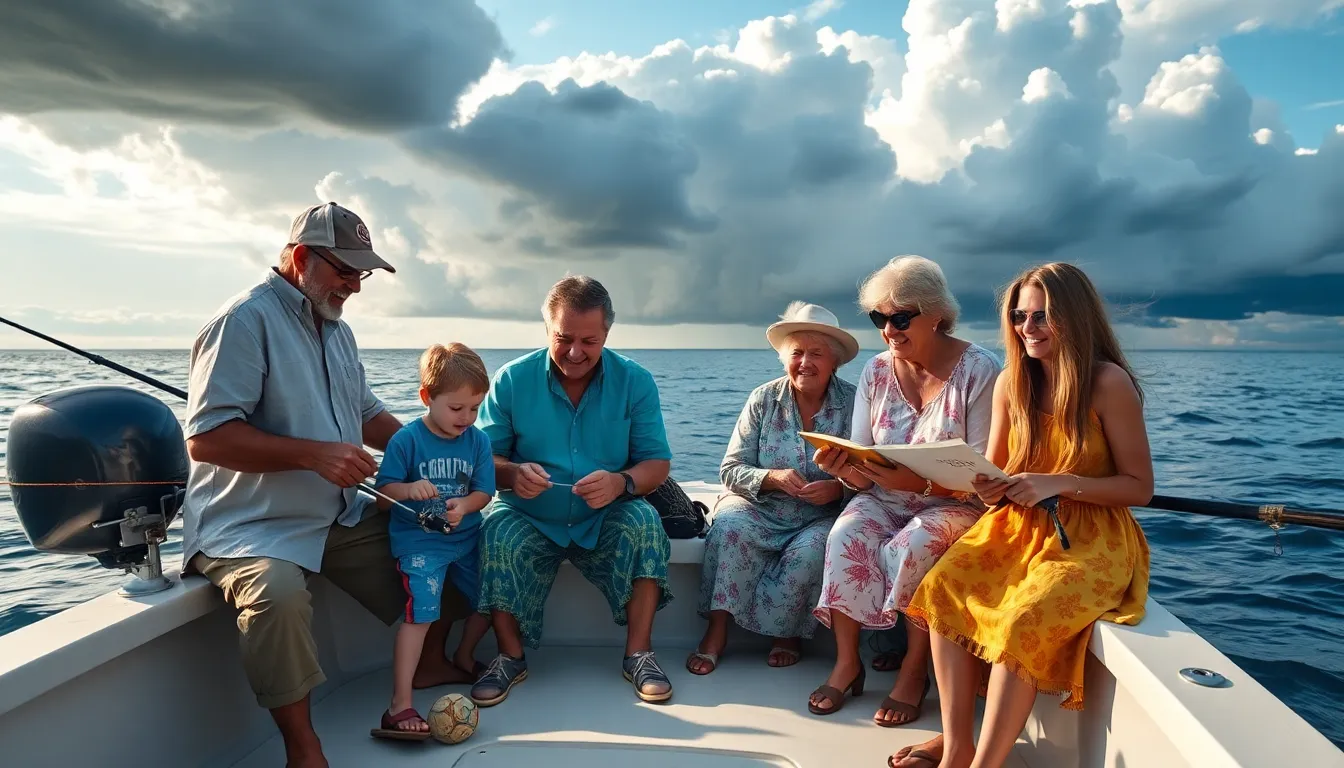
The transmission of fishing knowledge is vital to maintaining the traditions of Gulf fishing families. Fathers teach their sons, mothers pass down secrets to their daughters. It’s a timeless exchange of skills and wisdom. Young anglers learn when to cast their lines and how to respect marine life, ensuring that fish populations remain steady. This mentorship solidifies family bonds while also cultivating responsible stewards of the ocean.
The Role of Community in Fishing Culture
Community plays an indispensable role in fishing culture along the Gulf. It’s about more than just catching your dinner: it’s about collaboration, conservation, and support.
Sustainable Practices and Conservation Efforts
Many fishing families are at the forefront of sustainable fishing initiatives. With an eye on the future, they actively participate in practices that protect the marine ecosystem. By adhering to catch limits and practicing selective fishing, they ensure that their beloved fishing grounds remain healthy. Local conservancies and fishing families often partner to advocate for these sustainable efforts, creating a collective impact that resonates throughout the coastline.
Challenges Facing Fishing Families Today
Even though their dedication, fishing families today face numerous challenges. From stricter regulations to fluctuating fish populations and economic pressures, the struggle is real. Climate change has reared its head, affecting migration patterns and the health of marine life. These pressures make it difficult for families to maintain their way of life. But through grit and determination, they continue to adapt.
Adapting to Changes in the Gulf Environment
To survive, fishing families have to evolve alongside the ever-changing environment of the Gulf. No two days on the water are alike, and neither are the approaches families take.
Innovative Technologies in Gulf Fishing
Modern technology is making waves in Gulf fishing. Many families are now using smart technologies like GPS fish finders and eco-friendly gear. These innovations help locate schools of fish while minimizing impact on the ocean floor. Families are embracing these tools without losing sight of traditional fishing practices, blending old techniques with new technologies for optimal results.
The Impact of Climate Change on Fishing Family Traditions
Climate change poses a significant threat to fishing cultures. Rising sea temperatures and changing salinity levels are altering fish behaviors and habitats. These shifts not only impact the immediate catches but also the cultural practices tied to specific species and seasons. Fishing families must constantly re-evaluate their approaches, adapting to new ecological realities while striving to preserve their enduring traditions.